

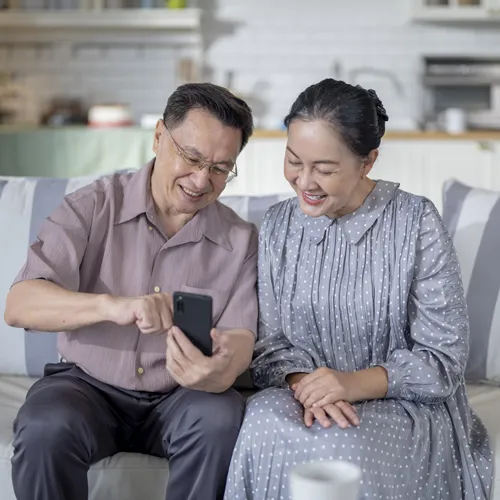
Mobile App Design for Elderly in Singapore: Best Practices and Use Cases

The need for mobile app design for elderly users has become more urgent than ever in Singapore. With one in four residents projected to be aged 65 or above by 2030, digital inclusion now extends beyond mere access. It requires apps that recognise the physical, cognitive, and emotional needs of older users. Many seniors struggle with small icons, complex navigation, and interfaces that assume tech fluency. As a result, they risk digital exclusion despite widespread smartphone adoption.
This article explores how thoughtful design can bridge that gap. It discusses how mobile app design for elderly users differs from that of younger groups, the specific expectations of Singapore’s senior population, and proven design principles that foster usability. It also examines real-world use cases and ethical considerations for developers. Together, these insights highlight how accessibility and empathy can coexist with innovation.
Understanding the Importance of Mobile App Design for Elderly Users
The concept of mobile application design for elderly users differs significantly from designing for younger audiences. Older adults often face unique challenges, such as reduced vision, slower reaction time, and limited familiarity with newer technology. Therefore, apps intended for them must focus on accessibility, clarity, and comfort. In Singapore, where the aging population continues to grow rapidly, inclusive app design is not merely an option—it is a necessity for digital participation.
Unlike younger users who explore features instinctively, elderly individuals benefit from intuitive layouts and simplified navigation. Clear icons, large text, and logical content flow help them interact confidently without frustration. Additionally, designers should prioritise contrast and readable fonts to support users dealing with vision decline. Subtle animations and sound cues can also provide reassurance, helping them stay oriented within the interface.
Moreover, cultural familiarity plays a vital role in connecting with elderly users in Singapore. Elements that reflect local symbols, languages, or community services make the app feel relevant and approachable. Thoughtful mobile app design for elderly users must also consider emotional comfort. A friendly tone, consistent feedback, and minimal clutter reduce anxiety while increasing trust. Ultimately, success lies in merging empathy with functionality to ensure every user—regardless of age—can benefit from the digital world comfortably.
Mobile App Design for Elderly Users in Singapore: Bridging Digital Gaps with Inclusion
When considering mobile app design for elderly users, Singapore presents a distinct context. The nation’s Smart Nation initiative encourages digital participation across all age groups. Yet, many seniors still find mobile interfaces overwhelming or intimidating. To close this gap, app designers in Singapore must focus on empathy-driven design—one that balances technology with human understanding.
Practical accessibility features are essential. Adjustable text sizes, voice navigation, and clean layouts allow seniors to engage without confusion. Apps such as HealthHub and LifeSG demonstrate how clarity and simplicity can encourage daily use among older citizens. Furthermore, including multilingual options like English, Mandarin, and Malay ensures inclusivity in a multicultural environment. These adaptations make digital tools more relatable and less alienating for elderly users.
Equally important is designing with real-life use cases in mind. Many seniors rely on apps for healthcare bookings, public transport schedules, or community activities. Therefore, mobile app design for elderly users in Singapore should prioritise quick access, secure authentication, and easy recovery options. Local testing sessions with senior focus groups also reveal valuable insights into usability challenges.
By treating elderly users as active participants, not passive recipients, designers can transform digital exclusion into empowerment. The outcome is a Singapore where technology strengthens social connection rather than creating distance between generations.
Best Practices in Mobile App Design for Elderly Users: Making Every Interaction Effortless
Creating effective mobile app design requires attention to subtle but impactful details. Designers must think beyond aesthetics and focus on usability that supports slower reflexes, declining eyesight, and reduced dexterity. Large touch targets, legible typography, and logical navigation flows minimise frustration. At the same time, consistent iconography helps seniors recognise familiar functions without needing to relearn basic interactions.
Equally crucial is the balance between simplicity and confidence-building. When an elderly user interacts with an app, every action should provide clear feedback. For instance, a gentle vibration or a brief confirmation message reassures the user that their action worked. This level of responsiveness builds comfort over time. It also encourages regular app engagement—an important factor in maintaining long-term digital confidence.
Singapore’s developers can also adopt inclusive design frameworks tested in senior-living communities. Incorporating features such as voice-assisted search, contrast adjustment, or “guided mode” simplifies complex processes like online payments or medical scheduling. Testing with local seniors ensures that design solutions remain culturally relevant and linguistically appropriate.
Ultimately, mobile app design for elderly users succeeds when it respects both accessibility and dignity. When digital tools feel welcoming and easy to use, older Singaporeans are more likely to integrate technology into their routines—bridging generations through confident digital participation.
Mobile App Design for Singapore’s Elderly Users: Use Cases and Lessons for Responsible Innovation
Practical examples reveal how mobile app design for elderly users in Singapore can improve lives. Apps like HealthHub and Singpass have already demonstrated how accessibility can empower seniors. With clear instructions, simplified logins, and built-in support, these tools make managing healthcare and digital identity less intimidating. Similarly, transport apps such as MyTransport.SG help seniors navigate bus timings or plan MRT routes without depending on others.
Beyond convenience, social connection plays a significant role. Many seniors use communication apps designed with voice-first or large-text features, keeping them connected with family despite physical distance. In Singapore’s context, this emotional link is vital as the elderly population grows rapidly. Integrating gamified health tracking or gentle reminders can further motivate active lifestyles and consistent medication use.
However, caution is equally essential. Mobile app design for elderly must never oversimplify to the point of removing autonomy. Designers should avoid patronising tones, unnecessary permissions, or confusing advertisements. Security remains another priority since seniors are frequent targets of digital scams. Clear privacy notices, secure payment flows, and easy access to human support can prevent misuse.
When balanced thoughtfully, these design choices transform ordinary apps into empowering tools. They help Singapore’s elderly users engage confidently with the digital world while maintaining trust, independence, and personal dignity.
Conclusion
Designing inclusive apps is not a charitable gesture — it is smart, forward-looking innovation. Effective mobile app design for elderly users ensures digital platforms remain usable across generations. It values clarity, patience, and trust as much as aesthetics or features. For Singapore, where technology increasingly underpins healthcare, finance, and public services, senior-friendly design safeguards accessibility for all.
Forward-thinking businesses and developers should not wait until users complain. Instead, they can begin today by rethinking layout, readability, and feedback systems. For guidance or collaboration on building intuitive solutions for senior users, reach out to our UX team for a conversation. If you’re planning a new project, you may also request a detailed quotation tailored to your app’s accessibility needs. Together, we can make technology truly inclusive in Singapore.