

Practical Insights into Selecting the Right Headless CMS Development Company in Singapore

Singapore businesses increasingly demand flexible, scalable, and fast digital experiences. A headless CMS supports these needs more effectively than traditional systems. However, choosing the right headless CMS development company in Singapore involves several technical and contextual considerations. The stakes are high, especially when the digital platform forms the core of business operations.
Given Singapore’s competitive digital market, many enterprises explore options beyond conventional CMS tools. Headless CMS offers API-driven content delivery, decoupled architecture, and multi-platform reach. While this presents opportunities, it also introduces technical complexities that require specialised knowledge. Therefore, selecting a partner with proven expertise in this domain becomes highly important.
Understanding Headless CMS and the Need for a Headless CMS Development Company in Singapore
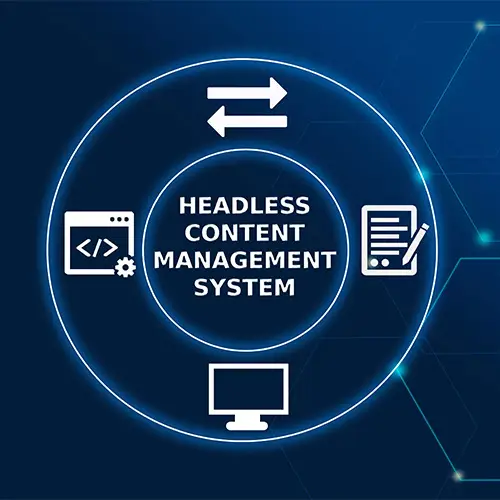
Conventional CMS platforms tightly couple content management with the presentation layer, limiting flexibility across digital touchpoints. A website using a headless CMS keeps its entire presentation separate as it handles content distribution via API. This approach allows developers to push content via APIs to multiple platforms like websites, apps, and kiosks. As omnichannel experiences become critical in Singapore, many enterprises move towards this flexible architecture.
Additionally, many Singapore-based digital firms must operate within strict regulatory and compliance frameworks. Personal data protection and information security take centre stage in regulated sectors like finance, education, and healthcare. A reliable headless CMS development company must accommodate these requirements while delivering robust API layers and fast content delivery.
Identifying Requirements: An Important Step Before Engaging a Headless CMS Development Company
Choosing an appropriate development partner starts with having a well-defined vision and technical scope for your project. For instance, some businesses only need a content API for mobile app integration. Others may demand advanced workflow automation, enterprise-grade security, or integration with ERP systems. In Singapore, these requirements often differ based on industry type, digital maturity, and scalability expectations.
Hence, businesses that operate multi-brand or multilingual platforms usually require granular content modelling. A company experienced with such complex implementations would naturally offer more value. On the other hand, simple brochure-style sites may not require such deep expertise. Recognising these distinctions helps narrow down the shortlist efficiently.
Evaluating Technical Proficiency in Headless Architecture
Although many firms promote headless capabilities, few demonstrate deep technical skill across both server-side and interface development. In most headless projects, developers must integrate content APIs with frontend frameworks such as React, Next.js, or Vue.js. Consequently, the ideal headless CMS development company should demonstrate competence across both backend architecture and frontend rendering.
Additionally, Singaporean companies often operate within ecosystems that include CRMs, inventory systems, and POS terminals. Therefore, the selected vendor must handle third-party integrations and asynchronous workflows efficiently. Reviewing their GitHub repositories, tech blogs, or code samples may reveal how they structure APIs, handle authentication, or manage caching layers.
Checking Experience to Know How a Headless CMS Development Company Can Help
Not all headless CMSs are equal. While some companies prefer open-source tools like Strapi or Directus, others invest in enterprise-grade platforms such as Contentful, Sanity, or Acquia. If your organisation already uses Drupal or another traditional CMS, it is also worth exploring decoupled Drupal setups. In such cases, familiarity with both monolithic and headless approaches becomes an advantage.
Some Singapore agencies specialise in Drupal-based headless architecture. These developers often build JSON:API endpoints within Drupal and use modern JavaScript frameworks on the frontend. If the organisation values continuity and existing infrastructure, a Drupal-first company could offer significant benefits.
Verifying Deployment and DevOps Capabilities
Most headless CMS solutions rely on cloud deployment. As a result, strong DevOps capabilities—such as CI/CD setup, efficient deployments, and API monitoring—become essential factors. In the Singapore market, many firms use AWS, GCP, or Azure for these operations. As such, working with a development company proficient in cloud environments ensures fewer post-deployment issues.
Furthermore, some companies include performance testing, load balancing, and auto-scaling capabilities in their delivery model. While these may not be essential for every project, enterprise platforms benefit significantly from such optimisation. Ensuring the company has clear DevOps practices reduces long-term operational overheads.
Maintenance Commitments: An Essential Trait to Look for in a Headless CMS Development Company
Even the best technical implementation requires long-term support. Businesses often overlook this during vendor selection. In Singapore, fast-changing regulations or business models can impact CMS logic and APIs. Consequently, developers must adapt swiftly to keep the platform operational and compliant.
Reputable agencies include post-launch maintenance, bug fixing, and future enhancements in their contracts. Some may even offer Service Level Agreements (SLAs) with guaranteed response times. These commitments indicate long-term reliability. Therefore, evaluating post-launch support agreements is critical to ensure long-term stability and maintainability of the platform.
Analysing Team Composition and Local Presence
It remains important to know who will be directly handling development, rather than relying on vague team descriptions. In certain cases, outsourced teams may lead to slower feedback loops or misaligned deliverables due to lack of direct oversight. However, Singapore-based businesses generally prefer working with local teams or regionally distributed professionals with overlapping time zones. This ensures clearer communication and faster iterations.
Moreover, strong teams usually include frontend engineers, backend developers, UI/UX specialists, and QA analysts. A company that provides a full-stack approach often delivers better product cohesion. Transparency in resource allocation, time estimates, and sprint schedules further reflects operational maturity.
Past Projects and Sector-Specific Experience to Know If a Headless CMS Development Company Stands out
While portfolios can be polished, detailed case studies often tell a more accurate story. Case studies should highlight problem statements, technical challenges, and final outcomes. For Singaporean businesses in regulated industries, examples from similar sectors add extra credibility. A headless CMS development company that has implemented secure patient portals or educational content hubs showcases relevant expertise.
Evaluating a provider’s project variety often reveals their adaptability across different platforms and industry needs. Agencies with experience across retail, government, healthcare, and fintech sectors often bring adaptable thinking. Such adaptability proves especially useful when requirements shift or systems face scalability challenges.
Exploring API Management and Documentation Quality
A core feature of any headless CMS is its reliance on APIs. These endpoints require strong documentation, versioning protocols, and structured testing. Poorly documented APIs often cause delays in frontend integration or mobile app development. In Singapore, time-to-market can become a critical KPI for digital teams.
Therefore, companies that emphasise automated API testing, OpenAPI standards, and developer-first documentation stand out. Some even offer sandbox environments for testing integrations before production. These capabilities minimise risks during cross-platform deployments.
Compliance and Security to Ensure You’re Partnering with the Right Headless CMS Development Company
Singapore’s Personal Data Protection Act (PDPA) imposes strict requirements on data storage, user consent, and breach reporting. Every CMS used within operational workflows must align with the relevant legal and data governance standards. An experienced development company would not only understand these regulations but also design the CMS architecture to comply with them from the start.
This includes secure authentication mechanisms, role-based access controls, encrypted API endpoints, and regular vulnerability assessments. The absence of strong safeguards can expose businesses to legal breaches and potentially harm their brand credibility. Therefore, the development partner’s security posture becomes a decisive factor.
Gauging Cost Transparency and Budget Fit
Singaporean businesses often work within tight budget cycles. This makes cost visibility and breakdowns critical during vendor evaluation. Some agencies offer fixed-price packages, while others use time-and-material billing. Clarifying the cost structure in advance reduces the risk of financial surprises as the project progresses.
Furthermore, a technically strong agency should explain the cost implications of various CMS features. For example, implementing real-time content updates may require additional caching infrastructure. Integrations with external marketing platforms may also incur ongoing fees tied to API consumption or data exchange. Open discussions around technical limitations and pricing indicate both maturity and industry competence.
Final Considerations: Partnering with a Headless CMS Development Company as a Strategic Decision
Ultimately, engaging a headless CMS development company in Singapore signifies a strategic decision that influences long-term digital success—not just a simple procurement. It is a strategic investment in digital infrastructure. By aligning technical capabilities, compliance needs, deployment preferences, and business priorities, companies can achieve faster delivery, better scalability, and lower operational risks.
While flashy portfolios or buzzwords may impress, deeper due diligence reveals the actual delivery strength of a development partner. A methodical, informed selection process ensures long-term platform success and digital resilience in an increasingly complex online environment. Do you need professional insights? We can happily help if you contact us or even for a greater assurance, you can request a quote or a session for consultation.